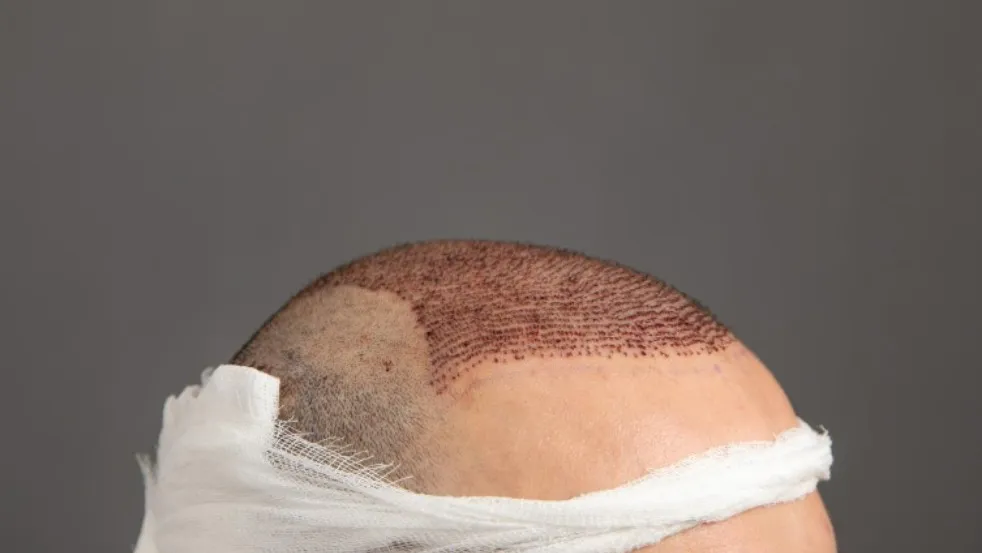
Hair transplantation has evolved considerably, and FUE is one of the techniques commonly discussed by people seeking restoration for pattern hair loss. Yet the technique itself is only one part of a successful treatment plan.
For patients exploring FUE Hair Transplant Treatment in Mumbai, understanding donor management, graft placement and candidacy is more useful than focusing only on the number of follicles advertised.
What Happens During FUE?
FUE stands for Follicular Unit Extraction. Individual follicular units are extracted from a suitable donor region and subsequently placed into areas requiring restoration.
The broad process involves:
- Evaluating the donor and recipient areas
- Planning the hairline and required coverage
- Extracting suitable follicular units
- Preparing the recipient area
- Placing grafts according to the planned direction and distribution
- Following appropriate post-procedure care
Although this sounds straightforward, several decisions made during these stages can influence the appearance of the result.
FUE Is Not Automatically Suitable for Everyone
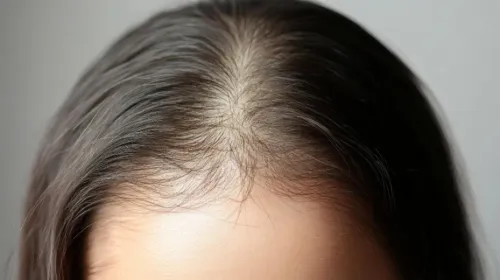
A person may have significant hair loss but limited donor density. Another patient may still be experiencing active shedding that requires evaluation before surgery is considered.
Suitability depends on factors such as:
- Type of hair loss
- Donor density
- Hair calibre
- Size of the thinning area
- Stability of the hair-loss pattern
- Scalp health
- Previous procedures
- General medical history
This is why consultation should precede any decision about graft numbers.
Donor Preservation Is Essential
The back and sides of the scalp provide a finite number of usable follicles. Once follicles are extracted, donor planning becomes particularly important.
Aggressive extraction may create visible thinning in the donor area and leave fewer options if hair loss progresses later.
A thoughtful FUE plan therefore looks beyond the immediate procedure.
At Dr. Karan Mehta's Mouth Jaw Face & Hair Transplant, hair-restoration assessment considers both present hair loss and the available donor area. Dr. Karan Mehta is trained in Oral and Maxillofacial Surgery and has fellowship training in Aesthetic Medicine that includes hair transplant surgery. This combination provides relevant surgical and aesthetic knowledge for donor assessment, hairline planning and graft placement.
What Makes a Hairline Look Natural?
Natural hair does not emerge from the scalp in identical rows.
The frontal hairline contains subtle irregularities, and follicles grow at specific angles depending on their location. Density also changes gradually across different areas.
A transplant plan should therefore consider:
- Facial proportions
- Existing hairline
- Patient age
- Hair direction
- Follicular distribution
- Future hair-loss progression
Trying to recreate the hairline someone had as a teenager may not always be appropriate for an adult whose hair loss could continue.
Recovery Requires Patience
Patients commonly focus on the procedure day, but hair transplantation is a gradual process.
Temporary redness, crusting and sensitivity can occur during the early recovery period. Transplanted hairs may shed before subsequent growth develops from the follicles.
Growth does not appear immediately, and individual timelines vary.
Following post-procedure instructions is important, particularly regarding scalp washing, physical activity, medication and handling of the transplanted area.
What Should You Compare Between Clinics?
Patients comparing FUE options across Mumbai, Maharashtra, should look beyond price per graft.
Ask about diagnosis, donor assessment, who plans the hairline, how graft requirements are calculated, postoperative care and what happens if further hair loss develops.
The objective should not simply be extracting the maximum possible number of grafts. It should be using the available donor hair carefully to create appropriate coverage while preserving future options.
Keywords