Choosing a hair clinic in Borivali involves more than comparing a package price: you need a confirmed diagnosis, a realistic treatment goal and a clear account of who will perform each step. By the end, you will know how to compare local clinics, interpret graft-based transplant quotes and identify when medication or diagnosis should come before a procedure.
Key takeaways
- Choose a clinic you can revisit easily for diagnosis and follow-up care.
- Ask what diagnosis supports each recommended treatment.
- Compare total treatment costs, not only the advertised package price.
- Consider medication, PRP or laser therapy before choosing a transplant.
How to compare hair-regrowth clinics in Borivali
Choose a clinic you can revisit easily, not only one advertising the lowest package. Compare hair regrowth treatment clinics in Borivali by checking the full address, appointment availability, parking or public-transport access, and whether follow-up visits happen at the same site.
A hair clinic Borivali West location is useful only if its consultation process is equally transparent.
Before booking, ask these questions:
- Who will examine you and perform any procedure? Record the doctor’s full name, specialty, medical registration number, and whether the operating doctor—not a sales coordinator—will review your case.
- Does the first hair-loss consultation include scalp examination, medical history, medication review and photographs?
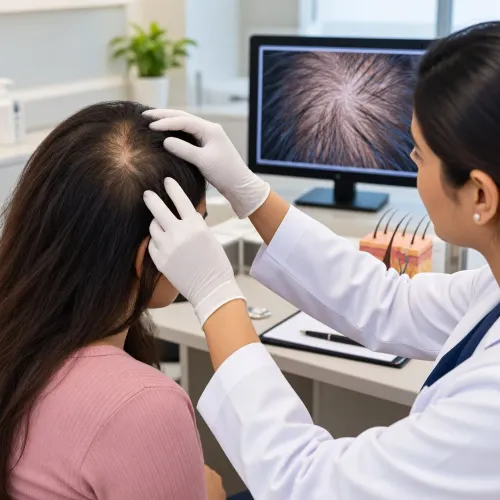
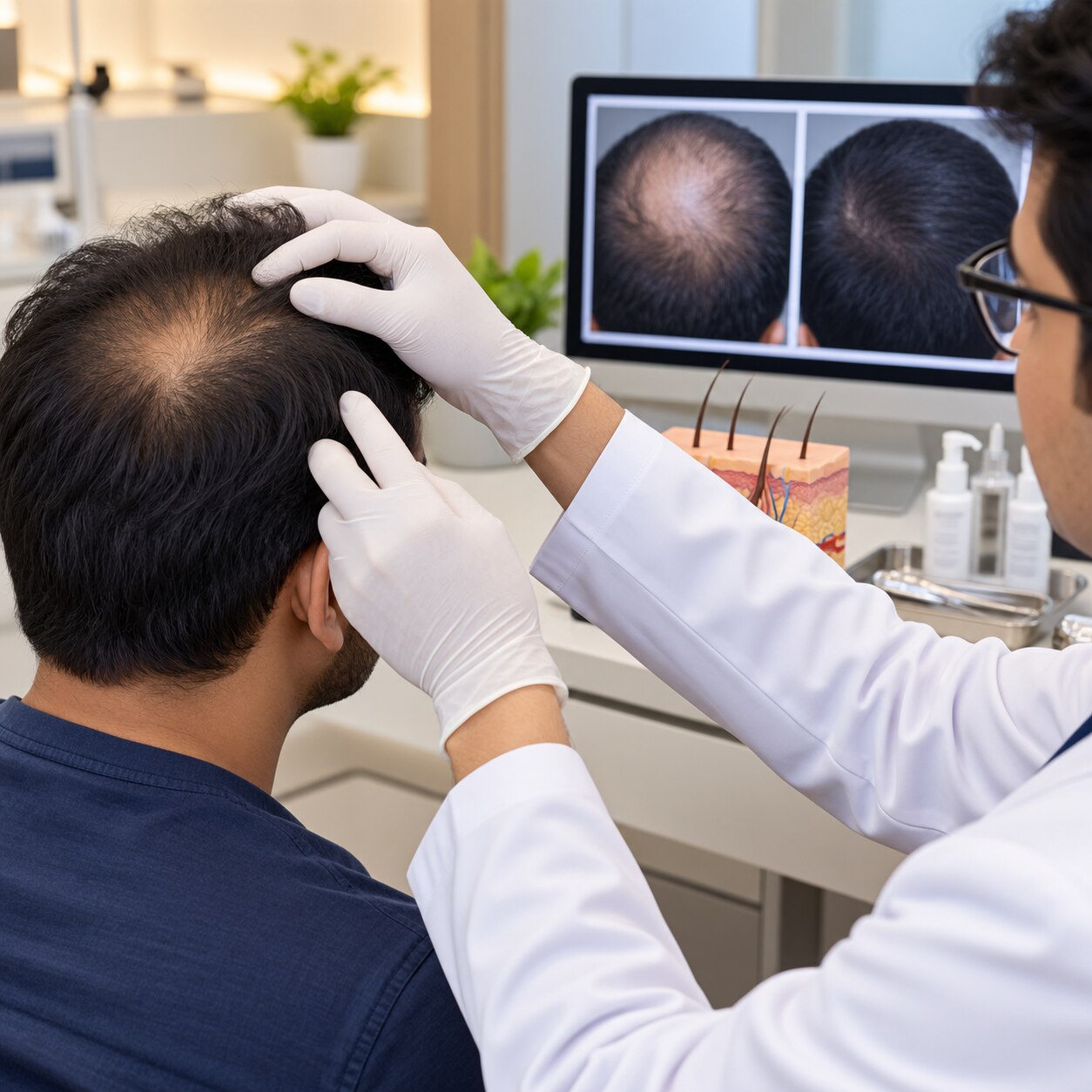
- Is trichoscopy consultation available, with magnified images used to assess follicle density, miniaturisation and scalp inflammation?
- Will you receive a written diagnosis, treatment alternatives, expected sessions, risks and follow-up schedule before paying a deposit?
- Who answers urgent questions after treatment, and what is the clinic’s emergency contact process?
| Clinic feature | Better comparison point | Warning sign |
|---|---|---|
| Location | Permanent, clearly listed address with accessible follow-up | Consultation in one branch and treatment in an undisclosed facility |
| Doctor involvement | Named treating doctor examines you and explains the plan | Counsellor promises results before examination |
| Consultation record | Trichoscopy images, diagnosis and written estimate | Same package offered without assessing donor density or hair-loss pattern |
| Follow-up | Scheduled reviews and a reachable clinical contact | No post-treatment plan after payment |
What diagnosis should come before a treatment recommendation?
A qualified clinician diagnoses the pattern and scalp condition before choosing medication, PRP or transplantation. Treating presumed androgenetic alopecia without checking for inflammation, infection or scarring can waste money and cause poor graft growth.
1. Take a detailed history. Record when shedding began, whether it is sudden or gradual, family history, recent fever, surgery, weight loss, childbirth, new medicines, restrictive diets, tight hairstyles and scalp symptoms. Sudden diffuse shedding points toward telogen effluvium; tension from braids, extensions or tight ponytails raises concern for traction alopecia.
2. Examine the scalp and hair pattern. Look for miniaturised hairs at the temples and crown, smooth round patches, broken hairs, scale, redness, pustules, crusting and shiny skin without follicle openings. Patchy smooth loss suggests alopecia areata; redness, scaling or pustules require assessment for active inflammation or infection. Shiny skin can indicate scarring alopecia.
3. Use trichoscopy to compare hair-shaft thickness, follicle openings, yellow or black dots, broken hairs and perifollicular scale. A clinician may order a complete blood count, ferritin, thyroid-stimulating hormone or other tests when your history indicates a systemic trigger. A scalp biopsy is appropriate when scarring or an unclear inflammatory disorder is suspected.
4. Match treatment to the diagnosis and activity. Control active disease before transplanting; surgery in an inflamed scalp can worsen the condition. PRP is an adjunct with variable protocols, not proof of guaranteed regrowth. Transplantation redistributes donor follicles and does not stop future pattern loss, so medical maintenance and its separate cost need discussion.
What hair treatment prices should you compare in Borivali?
A hair transplant cost Borivali quote is usually calculated by graft, not by hair. A common comparison estimate is ₹40–₹150 per hair transplant per graft, making a 1,500–2,500-graft session roughly ₹60,000–₹2,50,000. These are private-clinic estimates, not regulated tariffs; complex repairs and larger sessions can cost more.
| Option | Indicative pricing basis | What to compare |
|---|---|---|
| Hair transplant | ₹40–₹150 per graft; about ₹60,000–₹2,50,000 for 1,500–2,500 grafts | Graft count, FUE or FUT technique, surgeon involvement and donor-area planning |
| PRP | Per injection session or package; no dependable fixed Borivali tariff | PRP hair treatment price, platelet protocol, number of sessions and review visits |
| Medication | Monthly cost based on drug, strength and duration | Prescription, monitoring, side effects and continuing cost after treatment |
| Low-level laser therapy | Per clinic session, package or home-device purchase | Low-level laser therapy cost, device specifications, treatment frequency and maintenance |
Do not compare a headline figure with an all-inclusive quote. Request a written document stating:
- Consultation, trichoscopy, blood tests and GST
- Number of grafts, extraction and implantation technique, operating doctor and procedure-room charges
- Local anaesthesia, medicines, postoperative washing, follow-up visits and emergency contact arrangements
- Whether the price is fixed or estimated, what happens if graft numbers change, and the revision or complication policy
PRP and laser do not create donor follicles, and medication may remain an ongoing expense. A package promising a complete new hairline through PRP alone deserves careful questioning.
When is medication, PRP or laser treatment better than a transplant?
Preserve existing follicles when they are miniaturized but still producing hair, especially during progressive pattern hair loss. A transplant redistributes donor hair; it creates no new follicles and does not stop future thinning. The hair regrowth treatment versus hair transplant decision should therefore start with diagnosis, donor supply and the likelihood of continued loss.
- Medication fits early or diffuse pattern loss when follicles remain across the thinning area. Book a finasteride and minoxidil consultation to discuss suitability, side effects, contraindications and the need for ongoing treatment.
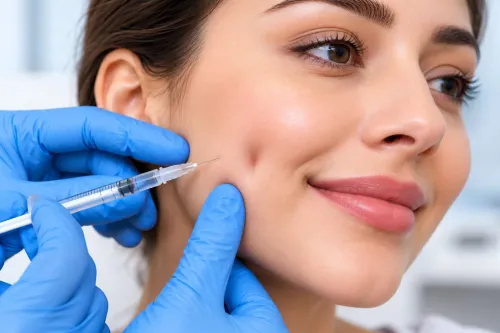
- PRP for hair loss may support weakened follicles as an adjunct, but results vary with platelet concentration, injection schedule and assessment method. Treat a promise of a completely new hairline from PRP alone as a warning sign.
- Low-level laser therapy for hair loss is a non-surgical option for selected patients who prefer regular device-based treatment. It cannot restore a bald area with no functioning follicles.
Transplantation is the wrong choice when the cause of shedding is undiagnosed, loss is rapidly progressing, the donor area is insufficient, or diffuse thinning affects both donor and recipient regions. Delay surgery until active scalp disease or a reversible medical cause is addressed.
A very low hairline can consume limited grafts and look unnatural as untreated loss continues behind it. Surgery also carries temporary shock loss, and a second session may be necessary when safe donor supply cannot provide the desired density in one operation.
How to verify the surgeon and judge a transplant plan
A safe plan starts with the person performing the surgery, not the clinic’s brand name. Check the doctor’s medical registration on the National Medical Commission or Maharashtra Medical Council register, then ask for specific hair-restoration training, transplant case volume and unedited before-and-after photographs.
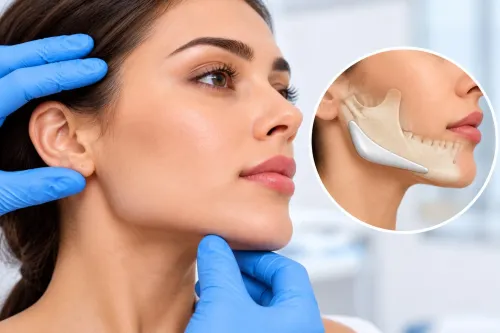
An oral-and-maxillofacial surgery qualification covers mouth, jaw and facial surgery; it does not by itself prove specialist hair-transplant training.
- Ask whether the doctor personally designs the hairline, extracts grafts and implants them, or delegates these steps to technicians. Ask for the diagnosis and scalp examination findings; active inflammation, infection, alopecia areata or scarring alopecia must be addressed before transplantation.
- Request a written plan showing the donor area, hairline design, graft count and hair count. One graft can contain one to four hairs, so 2,000 grafts could mean roughly 2,000–8,000 hairs. Confirm whether the estimate protects donor reserves and includes future hair loss.
- Compare FUE versus FUT honestly. FUE removes individual follicular units and leaves many small scars; FUT removes a scalp strip and leaves a linear scar but can supply many grafts in one operation. Ask why the chosen technique suits your scalp.
- Discuss bleeding, infection, numbness, visible scarring, poor growth, unnatural density, donor depletion and shock loss. Confirm medicines, review visits and who handles complications; Dr. Karan Mehta's Mouth Jaw Face & Hair Transplant should answer these questions directly if you consult there.
Hair transplant recovery usually involves crusting and swelling for several days, careful washing during early healing, and avoiding strenuous activity until cleared. New growth often becomes visible after three to four months, with assessment around nine to twelve months; medical maintenance may still be needed.
Related service
Hair Hair loss is a normal physiologic process. The normal count for hair loss is somewhere between 50-100 hairs daily, females lose more than males. View service → |
Frequently asked questions
How should you compare hair-regrowth clinics in Borivali?
Check the clinic’s full address, appointment availability, parking or public-transport access, and whether follow-up visits take place at the same site.
What diagnosis should come before a hair-treatment recommendation?
A clinician should assess your pattern of hair loss, scalp condition, medical history, medications and treatment goals before recommending medication, PRP, laser therapy or a transplant.
Which hair-treatment prices should you compare in Borivali?
Compare the consultation fee, diagnostic tests, number and frequency of sessions, medicines, follow-up visits, maintenance treatment and any extra procedure charges.
When is medication, PRP or laser treatment better than a transplant?
These options can suit early or medically treatable hair loss, while a transplant requires sufficient donor hair and is planned around permanent hair-loss patterns.
How can you verify the surgeon and judge a transplant plan?
Check the surgeon’s qualifications and registration, ask who performs each stage, and request a plan covering graft numbers, donor-area limits, hairline design, risks and follow-up care.