A painless lump, gum swelling or jaw lesion cannot be identified reliably by appearance alone. You will learn how diagnosis is confirmed, how surgeons choose between tooth treatment and cyst procedures, and how to plan recovery and follow-up in Borivali or elsewhere in Mumbai.
Key takeaways
- A scan and tissue examination help distinguish a cyst from an abscess or tumour.
- Bring medication details, medical records and recent dental X-rays to your consultation.
- Ask which anaesthesia, procedure, stitches and recovery restrictions apply to you.
- Seek urgent care for spreading swelling, breathing difficulty, uncontrolled bleeding or fever.
How a Suspected Oral Cyst Is Diagnosed
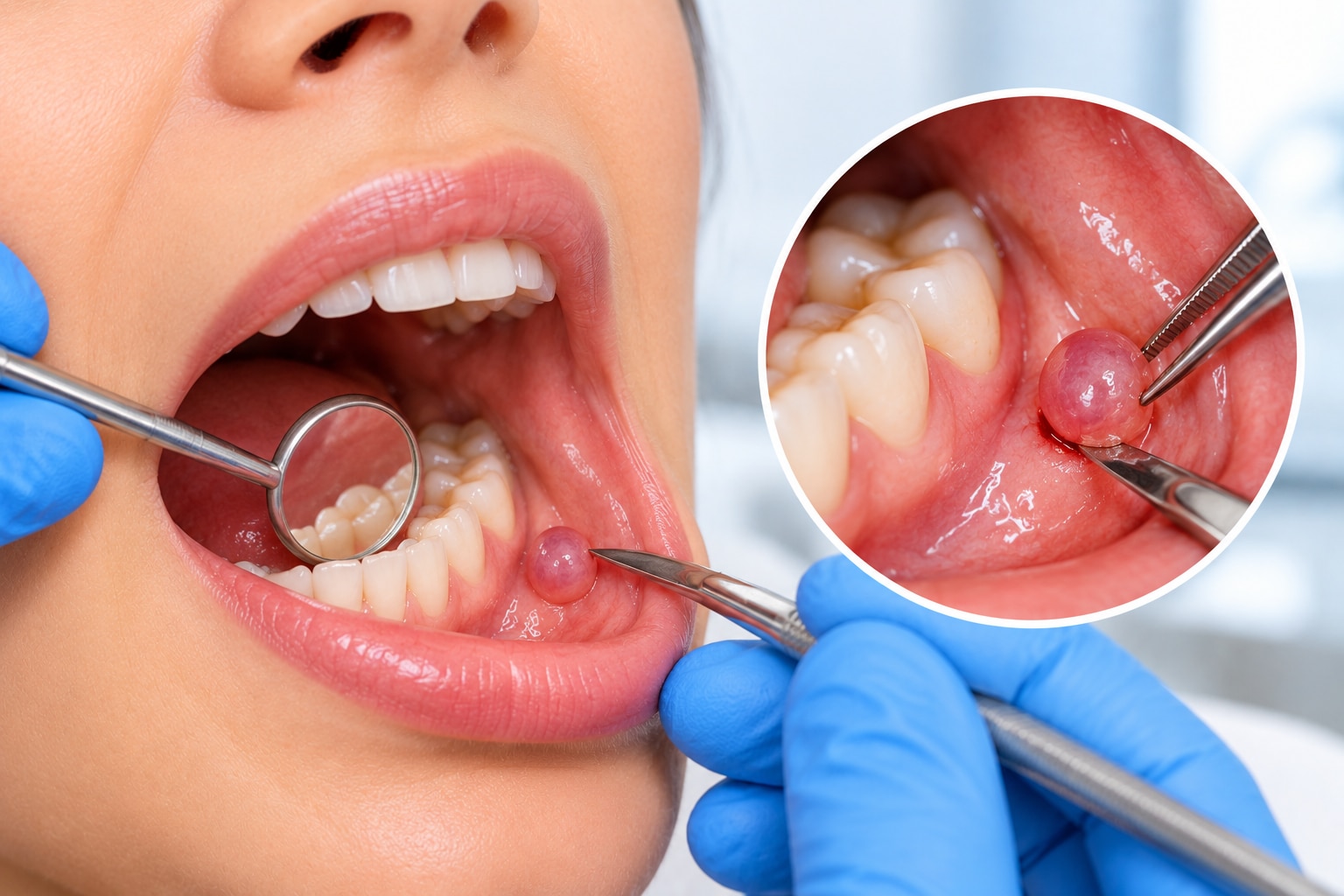
A mouth swelling cannot be identified reliably by appearance alone. An abscess often causes tenderness, drainage or fever; an impacted-tooth swelling appears around an unerupted tooth; a benign tumour may enlarge slowly; and cancer can present as a persistent ulcer, lump, numbness, loose tooth or facial change.
Pain does not rule in or rule out any diagnosis.
- The dentist or oral and maxillofacial surgeon asks when the lump appeared, whether it hurts or drains, and whether you have fever, tooth movement, altered sensation, chewing changes or facial asymmetry.
- The examination covers the gums, teeth, jaw expansion, mouth opening and nearby nerves. A small dental X-ray shows tooth roots, while a panoramic radiograph displays both jaws and impacted teeth.
- Cone-beam CT provides three-dimensional detail when the lesion is large or near the inferior alveolar nerve, tooth roots, nasal cavity or maxillary sinus. It helps plan treatment but cannot always identify the exact lesion.
- If an infected tooth is responsible, drainage, root-canal treatment or extraction may come before cyst surgery. A biopsy or removed specimen provides the definitive answer.
Seek prompt assessment for a persistent lump, gum swelling, loose tooth, drainage, fever, facial asymmetry, difficulty opening your mouth, trouble swallowing or numbness. Many jaw lesions are painless. For oral cyst removal borivali what to expect, ask for confirmation that labelled tissue will be sent to an oral pathology service for histopathology.
The report may identify a dentigerous cyst, radicular cyst, odontogenic keratocyst or another lesion, changing follow-up or further treatment. Search for oral cyst treatment near me with pathology arrangements, not imaging alone.
What Happens at the First Borivali Consultation
Bring previous dental X-rays, scan reports, treatment notes and a complete medicine list to your oral surgeon for cyst Borivali patients are concerned about. Include aspirin, warfarin, apixaban, herbal products and diabetes medicines. Tell the surgeon about allergies, pregnancy, smoking, immune suppression, diabetes and any previous anaesthesia reaction.
1. The surgeon reviews your history, examines the teeth, gums, jaw, mouth opening and nearby nerves, then studies existing images. Before oral cyst surgery Borivali patients may need a panoramic radiograph or cone-beam CT when the lesion is large or close to a nerve, tooth root, nasal cavity or sinus.
2. The surgeon explains whether the next step is observation with review, root-canal treatment, extraction, biopsy, cyst removal or referral. Root-canal treatment preserves a tooth when its structure, support and long-term prognosis are suitable; extraction removes one that cannot be predictably retained. An apicoectomy removes an infected root end after root-canal treatment.
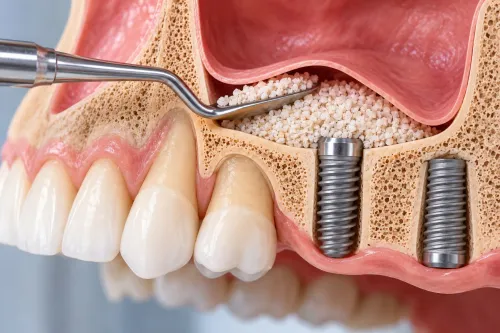
3. The surgical choices are matched to the lesion. Enucleation removes its lining, while curettage cleans the surrounding cavity. Marsupialisation creates an opening into the mouth, and decompression maintains an opening or drain to shrink a large lesion before later removal.
A lesion around an impacted tooth, near a nerve or sinus, or threatening jaw strength changes the plan.
Do not stop warfarin, apixaban or another anticoagulant without advice from the prescribing clinician. Before scheduling, ask for the proposed procedure, alternatives, risks, pathology plan and a written estimate.
What Happens During Surgery and When Anaesthesia Is Used
A small, accessible lesion may be removed under local anaesthesia, while deeper or more complex cases need intravenous sedation or general anaesthesia. The choice depends on the cyst’s size, depth and position, your health, anxiety level and the facility providing mouth cyst removal Mumbai patients require.
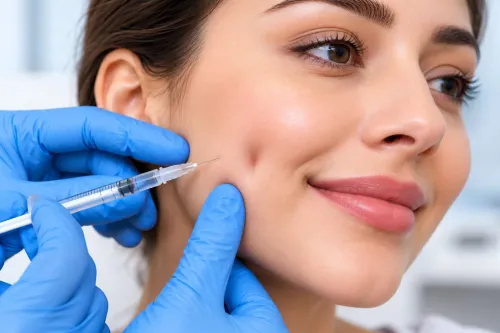
1. With local anaesthesia, injections numb the gum and nearby tissues. You remain awake and usually feel pressure, movement and vibration, not sharp pain. Intravenous sedation adds relaxation, but you must follow fasting instructions and arrange an adult escort.
2. General anaesthesia is reserved for selected large, deep, multiple or difficult lesions. It requires hospital-style preparation, fasting and transport home with a responsible adult.
3. The surgeon makes an incision in the gum and raises the tissue to expose the lesion. During oral cyst surgery Borivali patients may undergo enucleation, which removes the cyst lining, or decompression when immediate removal could weaken the jaw or injure a nearby nerve or sinus.
4. The surgeon may perform root-canal treatment, apicoectomy or extraction on the associated tooth. The cavity is cleaned, bleeding is controlled, bone or the extraction socket is managed, and the gum is closed with sutures.
5. The specimen should be labelled and sent to an oral pathology service. Histopathology examines the lining and cell pattern, confirms the diagnosis and identifies features requiring further treatment or longer surveillance.
Consent should cover infection, bleeding, adjacent-tooth damage, sinus communication, jaw fracture in a large lesion and temporary or permanent nerve disturbance. Results can take several days or longer when special review is needed.
How to Prepare for Recovery and Recognise a Problem
Follow the clinic’s medicine and fasting instructions exactly before mouth cyst removal in Mumbai. Arrange an adult escort and transport if sedation or general anaesthesia is planned, and allow time away from work rather than returning immediately to a demanding routine.
After surgery, hold gauze firmly over the site for the instructed period. Replace it only as directed; contact the clinic if firm pressure does not control bleeding. Take prescribed pain relief on schedule, use a cold pack during the first day, and do not add aspirin or another medicine without checking.
For oral cyst removal borivali what to expect includes a temporary change in eating and cleaning:
- Avoid vigorous rinsing, forceful spitting, smoking and alcohol early in healing.
- Use gentle salt-water rinses only when instructed.
- Brush the other teeth normally and clean around, not over, the wound.
- Choose soft foods that do not require hard chewing.
Swelling often peaks during the first few days before settling. Jaw stiffness and bruising can outlast the initial pain. Sutures are reviewed or removed according to the procedure, and chewing returns gradually; bone healing and follow-up imaging take longer than gum healing.
Expected recovery | Contact the clinic urgently Mild swelling, stiffness or bruising | Fever, pus or rapidly increasing swelling Pain that gradually improves | Pain that worsens after initial improvement Small oozing that settles with pressure | Uncontrolled bleeding or new persistent numbness | Trouble swallowing; breathing difficulty is an emergency
Keep every review, even if the wound feels normal. Pathology and later examinations or scans can detect residual or recurrent disease.
How to Choose Oral Cyst Treatment Near You in Borivali
Oral cyst treatment near me needs to include diagnosis, imaging, pathology and follow-up, not only an operation. Compare the surgeon’s oral and maxillofacial training, experience with jawbone lesions, access to panoramic radiography and cone-beam CT, and the clinic’s relationship with an oral pathology laboratory.
| Clinic feature | What to confirm | Why it matters |
|---|---|---|
| Surgeon | Experience with jaw cysts and tooth-preservation decisions | The safest option depends on lesion size, location and tooth prognosis |
| Imaging | Panoramic imaging and cone-beam CT when the lesion is near a nerve, tooth root or sinus | Three-dimensional planning reduces avoidable surprises |
| Referral plan | On-site care or hospital referral for a large lesion, weakened jaw or lesion near the inferior alveolar nerve or sinus | Decompression or hospital surgery may be safer than immediate removal |
Ask who answers urgent calls after surgery and how the pathology report reaches you. A written estimate should separate consultation, imaging, biopsy or operation, anaesthesia, pathology, medicines, tooth treatment, follow-up and later imaging. Ask what happens if pathology changes the plan, and whether saving the tooth is genuinely reasonable.
Oral cyst removal Borivali what to expect is not always one visit: drainage or root-canal treatment may come first, and an uncertain lesion may need biopsy. Allow time for imaging and discussion, arrange an escort when required, and do not drive after sedation.
Dr. Karan Mehta's Mouth Jaw Face & Hair Transplant is one clinic where you can ask how these arrangements work.
Related services
Face A cyst is a water-filled cavity. The most common cyst in the oral region is a Radicular cyst arising at the root of teeth due to infection in it. View service → |
Jaw Jaw Cyst and Tumors Various cysts and tumors can arise in both upper jaw bone(maxilla) and lower jaw bone(mandible). View service → |
Frequently asked questions
How is a suspected oral cyst diagnosed?
A clinician examines the swelling, teeth and surrounding tissues, then may order dental X-rays, panoramic imaging or CT scans. A biopsy or laboratory examination of removed tissue confirms the diagnosis when needed.
What happens at an oral cyst consultation in Borivali?
The consultation includes a medical and dental history, examination of the mouth and face, review of scans, discussion of treatment choices, anaesthesia and recovery, and instructions for preparing for surgery.
When is anaesthesia used for oral cyst surgery?
Local anaesthesia is used for many small, accessible cysts. Sedation or general anaesthesia may be considered when the cyst is large, deep, difficult to access or associated with a more complex jaw procedure.
What symptoms after oral cyst removal require medical attention?
Contact the surgical team for worsening swelling after the expected recovery period, fever, pus, uncontrolled bleeding, severe pain, numbness that is worsening, difficulty swallowing or trouble breathing.
Keywords