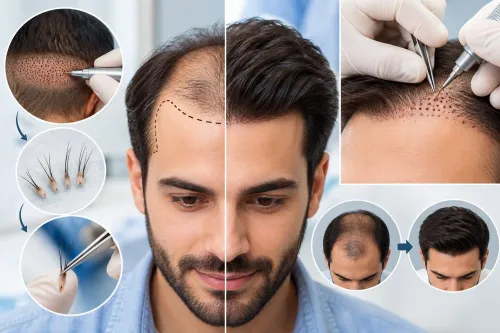
You will usually spend most of the day moving through consultation checks, scalp preparation, follicle harvesting, graft placement and a discharge briefing—not simply sitting through one continuous operation. Knowing what to bring, which decisions are confirmed on arrival and what differs between FUE and FUT lets you spot unanswered questions before consent.
Key takeaways
- Follow your clinic’s scalp-washing instructions before arrival.
- Approve the photographed hairline only after discussing future hair loss and graft limits.
- Expect local anaesthetic, graft harvesting, site preparation and graft placement.
- Arrange transport home and follow the written discharge instructions.
What to do before arriving at the clinic
The clinic’s written instructions outrank generic hair transplant preparation Borivali advice. Confirm when to wash your scalp, whether shampoo is acceptable, and whether to avoid gel, oil, spray, or other styling products. Do not change medication or supplements unless the transplant surgeon and prescribing clinician tell you to.
Before leaving for your hair transplant appointment day, complete this checklist:
1. Wash your hair at the instructed time and arrive with a clean, product-free scalp. Do not scratch, colour, or apply oil unless the clinic specifically permits it.
2. Wear a loose, button-front or zip-front shirt. You can remove it after surgery without pulling fabric across the grafts.
3. Bring government identification, previous scalp or hair-loss records, recent test results, and a written list of medicines, vitamins, supplements, allergies, bleeding disorders, and major illnesses.
4. Pack medicines the clinic has asked you to take, plus a phone charger and water if permitted. Do not bring aspirin, anticoagulants, minoxidil, finasteride, or supplements for a medication change; ask the medical team first.
5. Follow the clinic’s timing for alcohol, smoking, and caffeine. These instructions differ between protocols, so confirm them rather than guessing.
6. Arrange a responsible adult and transport if you will receive a sedating medicine. You should not drive yourself after sedation, even if your scalp feels comfortable.
Check-in, photographs and final hairline approval
Your hair transplant appointment day begins with verification, not shaving. The clinician checks your identity, reviews the agreed plan, and compares it with your current hair-loss pattern, donor density and recipient areas. The graft estimate from an online consultation is not final until the scalp is examined in person.
- Your medical history, allergies, previous scalp procedures and current medicines are reviewed. Do not stop aspirin, anticoagulants, minoxidil, finasteride or supplements unless the prescribing clinician and transplant surgeon instruct you to do so.
- Blood pressure and other clinic-specific safety checks are recorded. Tell the team about bleeding disorders, illnesses and any previous reaction to local anaesthetic.
- Standardised photographs capture the hairline, frontal view, top, sides and donor area. These images document the starting point and help assess future hair loss.
- The surgeon examines donor supply and marks extraction zones. Ask how the proposed graft count avoids overharvesting, which can visibly thin the donor area and reduce future options.
- The proposed hairline is drawn while you are upright, checked for shape, height, symmetry and direction, then adjusted with your input. Give final approval before consent is signed and any follicle is shaved or extracted.
This is the practical answer to what happens on hair transplant day borivali: the design is confirmed on your scalp, not assumed from a photograph. If the plan changes, ask why and record the final graft count and technique.
The surgery sequence: anaesthetic, harvesting and graft placement
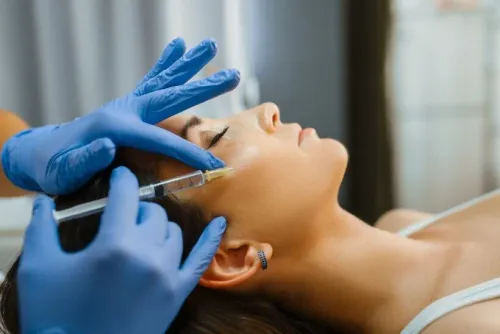
You remain awake during the hair transplant procedure day because local anaesthetic numbs the scalp. The clinician may prescribe oral medication to help you relax. Sharp pain is not something to tolerate silently; tell the team so additional anaesthetic can be given.
1. The scalp is cleaned, marked and numbed in the donor and recipient areas.
2. Follicular units are harvested using FUE or a donor strip using FUT.
3. Technicians examine, separate and keep the grafts moist while the surgeon prepares recipient sites at the planned angles and directions.
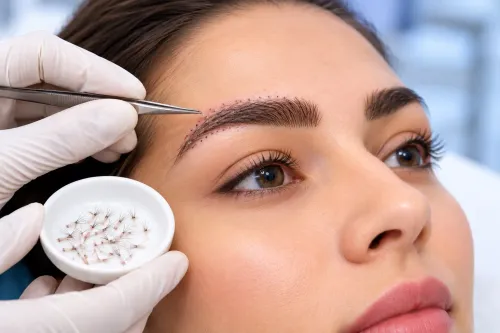
4. The surgeon places each graft into those sites, protecting the natural hairline and growth pattern.
5. The donor area is dressed, or closed with sutures when a strip was removed.
FUE and FUT differ mainly in how follicles leave the donor area:
| Technique | Harvesting method | Donor-area result during the appointment |
|---|---|---|
| FUE | Individual follicular units are removed with a small punch | Multiple tiny wounds; there is no single linear incision |
| FUT | A strip of donor scalp is removed, then divided into grafts under magnification | The strip wound is closed with sutures and leaves a linear scar |
| Both | Prepared grafts are inserted into recipient sites | Placement still depends on the planned angle, direction and graft count |
The hair transplant surgery steps can be completed in one long outpatient session, but graft numbers, staffing and breaks change the duration. The exact order can also vary: some clinics harvest and place grafts in separate stages.
How long the day lasts and what happens at discharge
For anyone searching what happens on hair transplant day Borivali, plan to spend most of the hair transplant procedure day at the clinic. The duration depends on graft count, technique and breaks, so a smaller session and a larger session will not finish together.
You remain awake under local anaesthesia; report pain or sharp discomfort so the team can provide more anaesthetic. If prescribed sedation is used, a responsible adult must take you home, and you must not drive.
Before discharge, confirm these instructions in writing:
- How to protect the grafts: sleeping position, head elevation, avoiding rubbing or pressure, and when to begin the clinic-approved spray or wash.
- Which medicines to take, at what dose and time, plus whether to avoid alcohol, smoking, exercise, helmets and hair products.
- Which symptoms require urgent contact, including persistent bleeding, worsening severe pain, fever, pus, breathing difficulty or an allergic reaction.
- The date and method for your first review, along with a daytime and after-hours contact number.
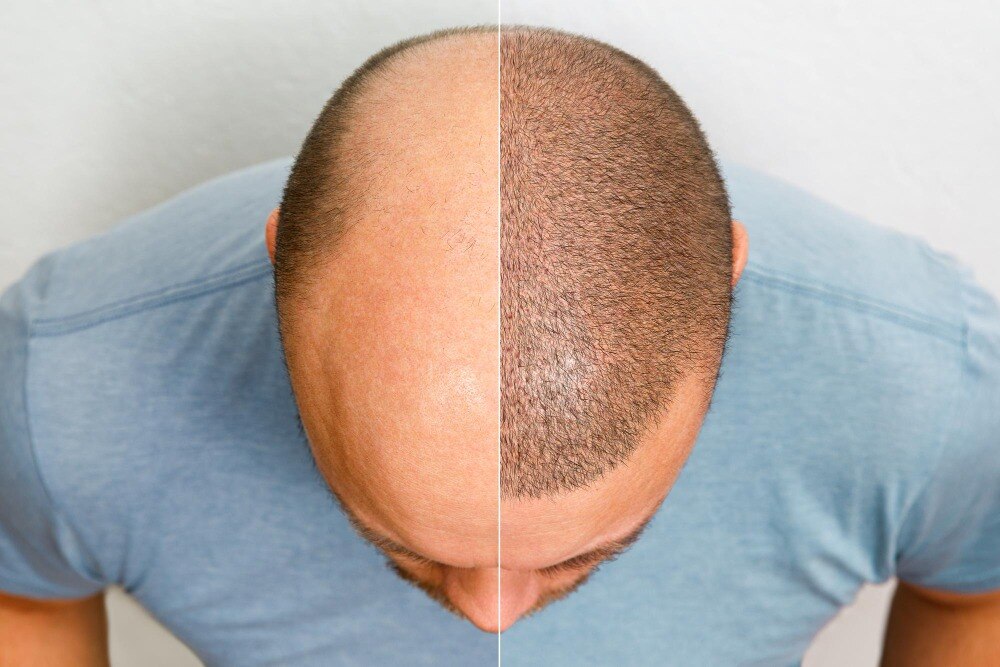
Small blood spots, tightness and swelling can occur, but follow the clinic’s specific advice. The transplanted shafts often shed during early healing while the follicles remain in the skin. Visible regrowth develops gradually; assess meaningful improvement after several months, with final results often taking 9 to 12 months or longer.
Questions to settle before you consent to the plan
Do not sign until the plan states the technique, expected graft count, donor-area limit and follow-up schedule in writing. The final figures should follow the examination, not an online estimate.
| Decision | Confirm with the provider | Why it matters |
|---|---|---|
| Technique | FUE extraction or FUT strip surgery, including the reason for choosing it | FUE leaves scattered small scars; FUT leaves a linear scar but can suit selected donor patterns. |
| Graft count | The planned number, estimated range and how the clinician will adjust it after marking | A larger number is not automatically better and can overtax the donor supply. |
| Donor limits | Which scalp zones will be used, the maximum extraction density and how future hair loss affects the reserve | Overharvesting can visibly thin the donor area and remove later treatment options. |
| Follow-up | The date of the first review, wound-care contact, expected milestones and who handles urgent concerns | You need a clear route for bleeding, infection, severe pain or unexpected swelling. |
Ask how the hair transplant surgery steps will be sequenced, who performs extraction and placement, and whether local anaesthetic or prescribed sedation changes your transport plan. Confirm what happens if graft growth is poor, the hairline looks unnatural, or continued loss changes the result.
For hair transplant preparation borivali, Dr. Karan Mehta's Mouth Jaw Face & Hair Transplant should provide clinic-specific written instructions rather than leaving you to apply generic internet advice. Ask for the consent form before treatment day so risks such as numbness, scarring and adverse anaesthetic reactions are not surprises.
Frequently asked questions
What should I do before arriving for a hair transplant in Borivali?
Follow the clinic’s written instructions for scalp washing. Confirm whether shampoo is allowed, avoid styling products if instructed, and do not change medication or supplements without advice from the surgeon and prescribing clinician.
What happens during check-in on hair transplant day?
The team confirms your details, takes clinical photographs and reviews the planned procedure. You then discuss and approve the final hairline before surgery begins.
What are the main hair transplant surgery steps?
The surgeon administers local anaesthetic, harvests hair grafts, prepares the recipient sites and places the grafts according to the approved plan.
How long does a hair transplant appointment day last?
The day includes check-in, photographs, planning, anaesthesia, harvesting, graft placement and discharge. Ask the clinic for your estimated finish time because duration depends on the number of grafts and the procedure plan.
What happens when I leave the clinic?
The team explains wound care, washing, medication and activity instructions, then confirms follow-up arrangements. Arrange transport if the clinic advises you not to drive.
Keywords