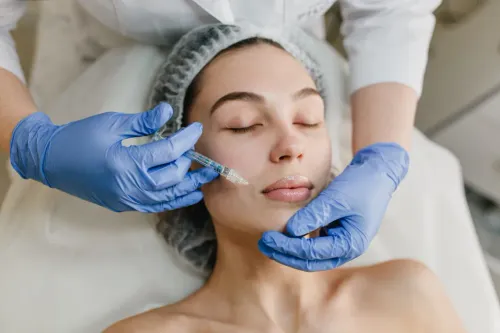
People interested in facial rejuvenation increasingly ask about treatments that focus on improving overall skin quality without significantly changing facial shape or volume. PRP is one of the options that may come up during this discussion.
Before choosing PRP Facial Treatment in Borivali, Mumbai, it helps to understand what the procedure involves, what concerns it may be considered for and where its limitations lie.
What Is PRP?
PRP stands for platelet-rich plasma.
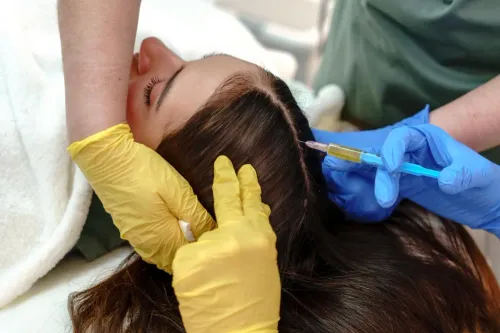
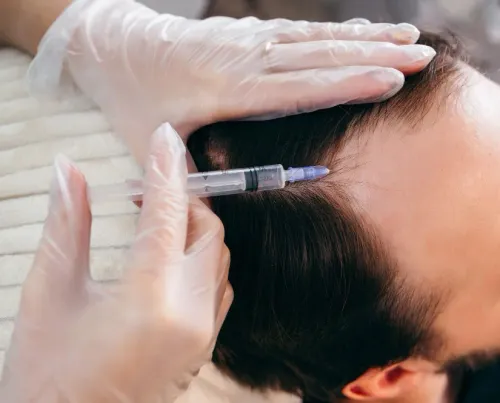
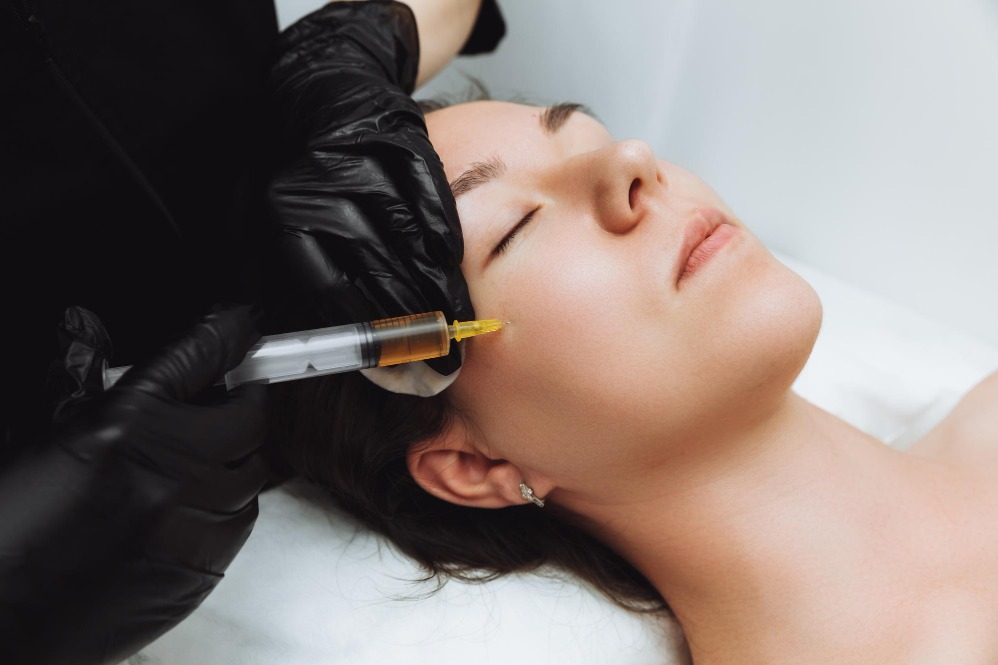
A small blood sample is collected from the patient and processed to separate a platelet-rich component. The prepared material is then used according to the selected facial treatment protocol.
Because PRP is obtained from the patient's own blood, it differs fundamentally from dermal fillers and botulinum toxin.
What Is PRP Facial Treatment Intended to Address?
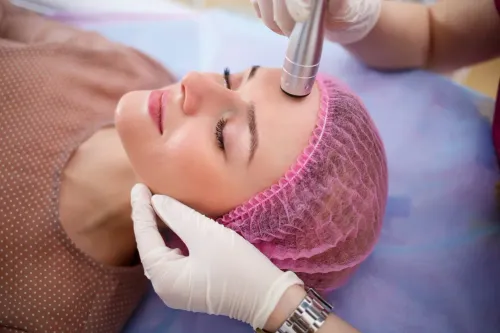
PRP may be discussed as part of a skin-rejuvenation strategy in appropriate patients.
The treatment conversation may focus on concerns such as:
- Overall skin quality
- Dull-looking skin
- Early textural changes
- Fine lines
- Selected rejuvenation goals
Suitability and expected changes vary between individuals.
PRP Is Not the Same as a Dermal Filler
This distinction is particularly important.
Dermal fillers are designed to provide volume or contour in selected areas. PRP does not serve the same purpose.
Similarly, PRP does not work like Botox, which affects selected muscle activity.
If the primary concern is significant facial volume loss, a deep expression-related line or another structural issue, a different aesthetic approach may be more appropriate.
Why Facial Assessment Is Useful
A patient may describe their face as 'tired,' but that appearance could relate to skin texture, pigmentation, volume changes, facial anatomy or several factors together.
Assessment helps determine which component is actually responsible.
At Dr. Karan Mehta's Mouth Jaw Face & Hair Transplant, facial rejuvenation options are considered according to the patient's individual concern and facial characteristics. Dr. Karan Mehta combines MDS training in Oral and Maxillofacial Surgery with a Fellowship in Aesthetic Medicine, giving him relevant knowledge of facial tissues, anatomy and aesthetic proportions when assessing rejuvenation procedures.
What Should You Ask Before PRP?
Before proceeding, discuss:
- What specific concern are we treating?
- Is PRP suitable for my skin and treatment goal?
- How is the procedure performed?
- Is a series of sessions usually considered?
- What temporary effects can occur?
- How soon can normal activities be resumed?
- How will progress be assessed?
- Are alternative treatments more appropriate for my concern?
These questions help move the conversation away from simply asking whether PRP is 'good' and toward whether it is appropriate for you.
Results Require Realistic Expectations
Skin rejuvenation is usually gradual.
Individual response can vary according to age, skin condition, lifestyle and treatment protocol. PRP should therefore not be approached as an instant transformation.
Basic skin care also remains relevant. In Mumbai's sunny and humid environment, appropriate sun protection and a suitable daily skin-care routine can support broader skin-health goals.
When Should You Consider a Consultation?
A consultation may be useful when you have a specific skin concern but are unsure which rejuvenation treatment fits it.
Patients in Borivali and nearby parts of Mumbai, Maharashtra, can use the appointment to compare PRP with other available approaches rather than deciding on a procedure beforehand.
The most useful aesthetic treatment is not necessarily the newest or most talked-about option. It is the one that appropriately matches the concern being treated, the patient's facial and skin characteristics, and realistic expectations for improvement.
Keywords