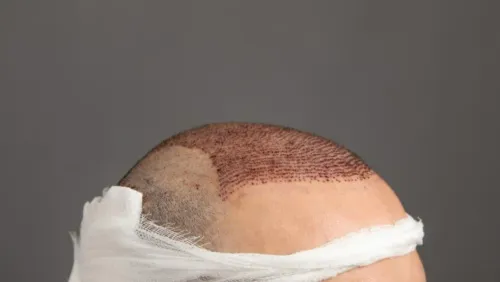
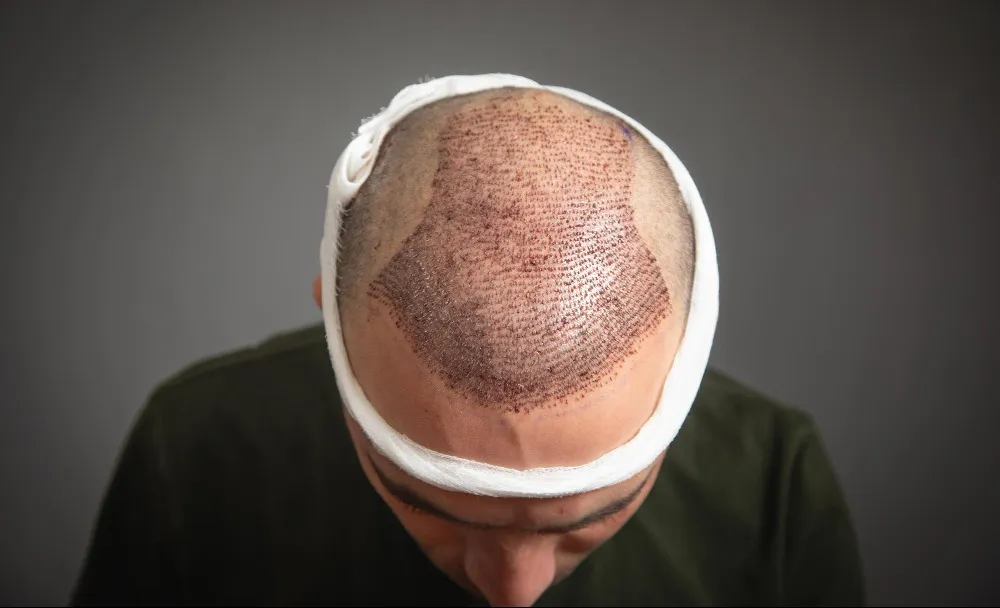
Hair transplantation is a medical procedure that requires much more than simply moving hair follicles from one part of the scalp to another. Donor-area assessment, hairline planning, graft extraction, placement direction and long-term hair-loss progression all need careful consideration. For anyone searching for a Hair Transplant Clinic in Borivali, understanding these factors can make the consultation process more meaningful.
Hair loss can occur for different reasons. Male and female pattern hair loss are common, but nutritional deficiencies, stress-related shedding, hormonal changes, scalp conditions and certain medical factors may also contribute. This is why a proper assessment should come before deciding on transplantation.
Start With the Cause of Hair Loss
A hair transplant does not treat every type of hair loss. It is generally considered when there is an appropriate donor area and a pattern of permanent hair loss where transplantation may provide useful coverage.
During an assessment, factors commonly considered include:
- Pattern and extent of thinning
- Density of the donor area
- Quality and thickness of donor hair
- Current hair-loss progression
- Scalp condition
- Age and family history
- Previous medical or hair treatments
- Expectations regarding density and hairline
A responsible treatment plan should also consider how the patient's hair loss may progress in the future.
Why Hairline Planning Matters
One of the most visible aspects of a transplant is the hairline. A very low or unnaturally straight hairline may not continue to look appropriate as a person ages.
Good planning considers facial proportions, existing hair, age, available donor follicles and likely future thinning. The direction and angle at which individual grafts are placed also contribute to a natural appearance.
At Dr. Karan Mehta's Mouth Jaw Face & Hair Transplant, treatment planning is carried out with attention to individual facial and scalp characteristics. Dr. Karan Mehta is an MDS-qualified Oral and Maxillofacial Surgeon with fellowship training in Aesthetic Medicine, including hair transplant surgery. His surgical background and knowledge of facial anatomy are relevant when evaluating hairline proportions and planning hair-restoration procedures.
Understand the Importance of the Donor Area
The donor area is a limited resource. Hair follicles are commonly taken from areas at the back or sides of the scalp that are relatively resistant to pattern hair loss.
Removing too many follicles from a small area can affect the appearance of the donor region. Therefore, transplant planning should focus not only on how many grafts can be extracted today but also on preserving donor hair if additional restoration is required later.
Patients should ask how donor density is evaluated and how the number of grafts is estimated.
Ask What the Procedure Can Realistically Achieve
Hair transplantation redistributes existing follicles. It does not create an unlimited supply of new hair.
The final visual density can vary according to donor availability, hair calibre, contrast between hair and scalp, size of the recipient area and individual healing characteristics.
This is why realistic expectations matter. Someone with mild frontal recession may have very different restoration possibilities from a person with extensive baldness.
What Should You Discuss During Consultation?
Before deciding on treatment, consider asking:
- What is causing my hair loss?
- Am I currently a suitable candidate for transplantation?
- How strong is my donor area?
- What type of hairline would suit my facial proportions?
- How many grafts may be considered?
- What happens if my existing hair continues to thin?
- What should I expect during recovery?
- Are non-surgical treatments relevant to my condition?
Patients travelling within Mumbai, Maharashtra, may find a Borivali-based clinic convenient for consultation and follow-up, but clinical suitability should remain the primary consideration.
A hair transplant should ultimately be planned around the individual rather than around a predetermined graft count or standard hairline. A detailed assessment helps determine whether transplantation is appropriate and how donor hair can be used carefully for a balanced, natural-looking restoration.
Keywords