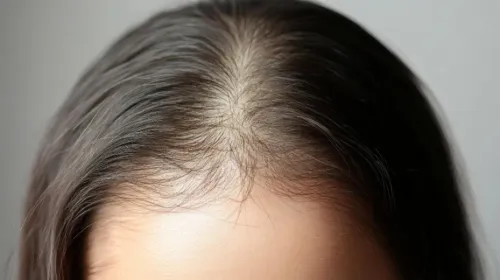
Hair loss in women may appear as a widening part, reduced ponytail volume, increased scalp visibility or excessive shedding during washing. Since medical, hormonal, nutritional and lifestyle-related factors can produce similar symptoms, treatment should begin with a careful diagnosis rather than a standard hair-growth package.
At Mouth Jaw Face Clinic (MJF Clinic), Dr. Karan Mehta assesses the pattern, duration and possible triggers of hair loss before recommending treatment. Dr. Mehta is an Oral and Maxillofacial Surgeon with a Fellowship in Aesthetic Medicine from ILLAMED, affiliated with Greifswald University, Germany. His fellowship training includes hair transplant surgery, giving him relevant knowledge in hair-restoration planning and donor-area assessment.
Recognising Different Patterns of Female Hair Loss
Female pattern hair loss commonly causes gradual thinning over the top and central portion of the scalp. The frontal hairline may remain relatively preserved, although the density behind it can decrease.
Telogen effluvium usually causes more widespread shedding. It can develop after fever, surgery, emotional stress, rapid weight loss, childbirth or a major dietary change. Other women may experience localised patches, hair breakage or inflammation accompanied by itching and scaling.
Signs that deserve professional evaluation include:
- A visibly widening central part
- Persistent shedding for several weeks
- Sudden or patchy hair loss
- Reduced density around the temples
- Scalp redness, pain, scaling or itching
- Hair loss accompanied by acne or menstrual changes
- Thinning that continues despite home remedies
Female Hair-Loss Assessment in Borivali West
An evaluation generally begins with questions about when the problem started, whether family members have similar hair loss and whether there have been recent changes in health, diet, sleep or medication. The scalp is then examined for thinning patterns, follicle miniaturisation, breakage and inflammation.
Blood investigations may be recommended if symptoms suggest low iron stores, thyroid-related concerns, nutritional deficiencies or another underlying condition. Tests should be selected according to the patient’s history instead of prescribing the same investigation package to everyone.
Women should also inform the doctor about pregnancy plans, breastfeeding and existing medical conditions. These factors can affect the suitability of certain medicines and procedures.
Comparing the Available Treatment Options
Treatment depends on the diagnosis and may involve more than one approach.
Medical treatment: Topical or oral medicines may be considered for selected types of progressive thinning. Possible side effects and the need for continued use should be discussed before starting.
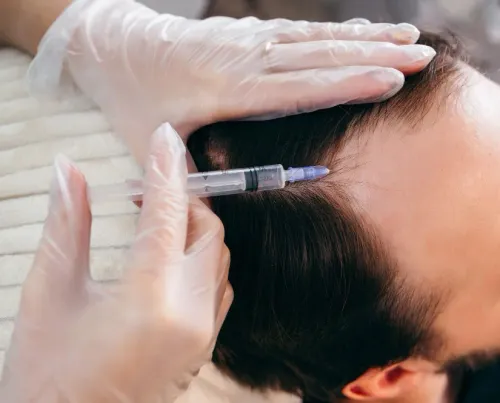
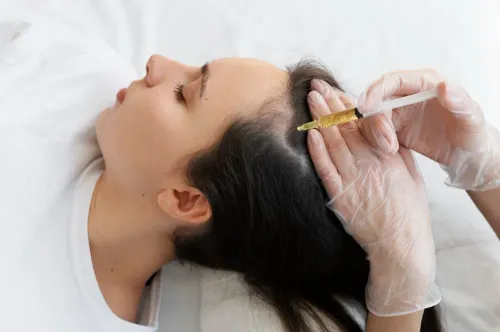
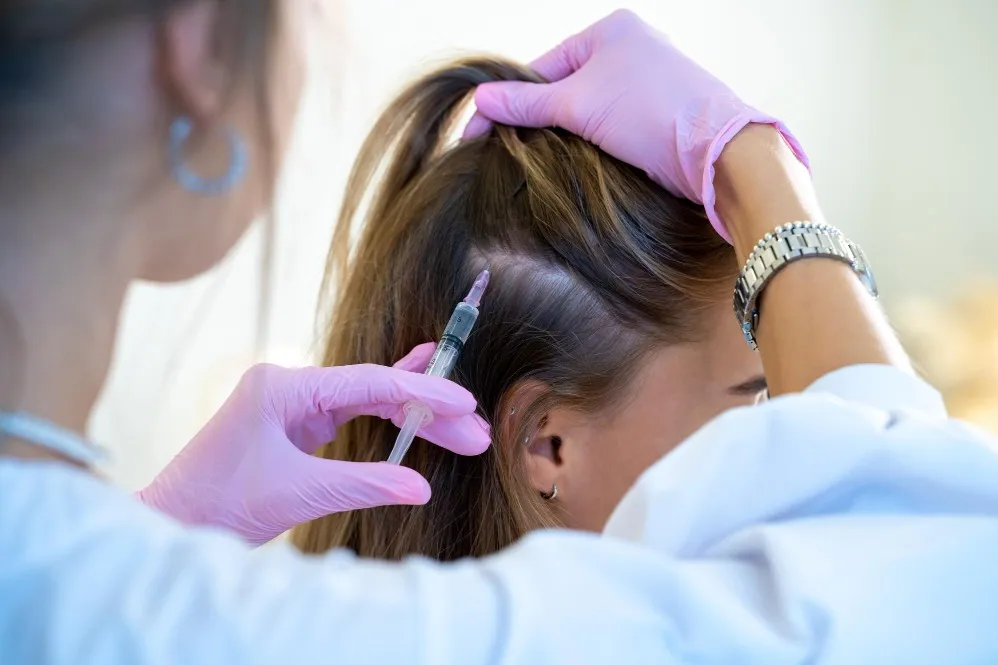
PRP hair therapy: Platelet-rich plasma may support existing follicles in suitable patients. It is generally more useful where follicles are still present than over completely bald areas.
Nutritional correction: Iron, vitamin or mineral supplements should address a confirmed or strongly suspected deficiency. Taking multiple supplements without proper assessment may be unnecessary.
Scalp treatment: Infection, inflammation, dandruff or another scalp condition may need to be controlled before focusing on hair density.
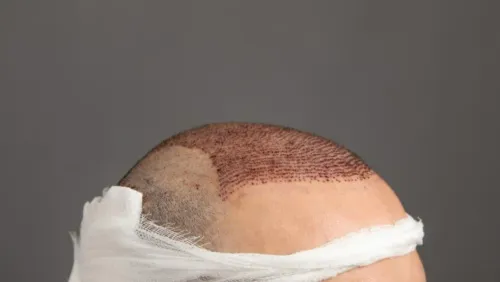
Hair transplantation: Surgery may be considered for stable and permanent thinning when sufficient donor hair is available. Not every woman has a donor pattern suitable for transplantation.
Allowing Enough Time to Assess Progress
Hair grows slowly, so meaningful improvement should be evaluated through consistent treatment and comparable photographs. Reduced shedding may occur before a visible increase in density. Results depend on the underlying diagnosis and the condition of the follicles.
Concerned about persistent hair thinning or shedding? Consult Dr. Karan Mehta at MJF Clinic for a personalised female hair loss assessment and a treatment plan based on the likely cause.
Keywords