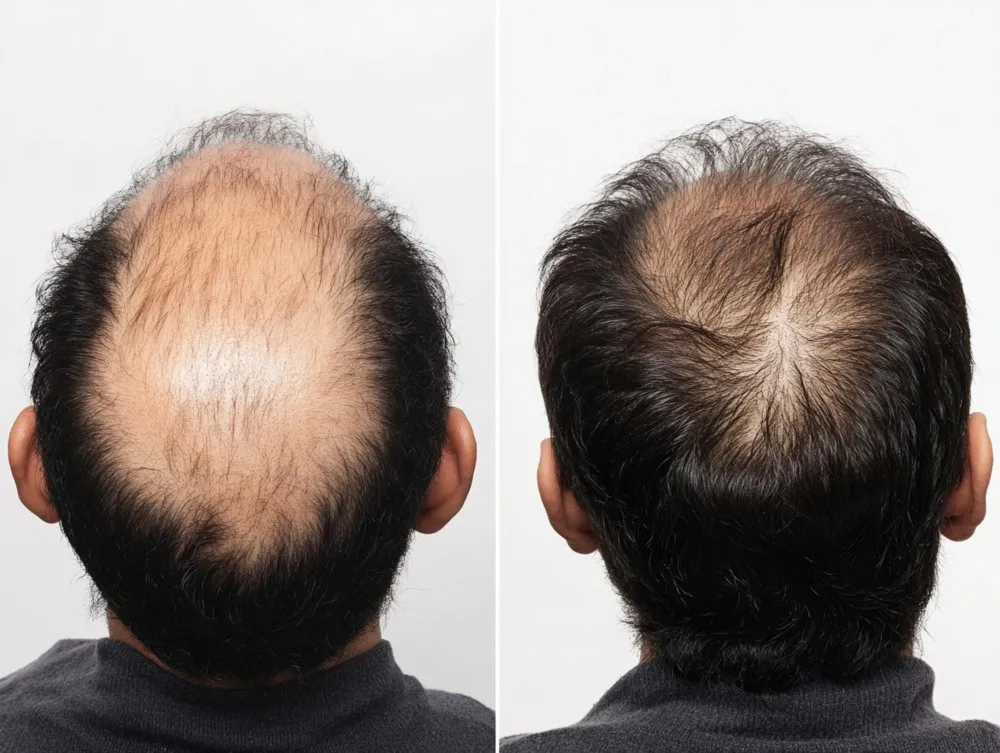
Finding extra strands on a pillow or noticing a receding hairline can be concerning, but male hair loss does not have one universal cause. Genetics is common, although stress, nutritional deficiencies, scalp disorders, medicines and certain medical conditions can also contribute. Effective treatment begins with identifying the cause.
At Mouth Jaw Face Clinic (MJF Clinic), Dr. Karan Mehta assesses the pattern, speed and possible triggers of hair loss before suggesting treatment. Dr. Mehta is an MDS-qualified Oral and Maxillofacial Surgeon with fellowship training in Aesthetic Medicine and hair transplant surgery, giving him relevant knowledge in scalp evaluation, donor assessment and surgical hair restoration.
Is It Normal Shedding or Progressive Thinning?
Daily shedding is part of the natural hair-growth cycle. Clinical evaluation becomes important when shedding noticeably increases, continues for several weeks or occurs with visible loss of density.
Male pattern hair loss usually develops gradually. Common signs include:
- Recession at the temples
- A changing frontal hairline
- Reduced density over the crown
- Thinner and shorter hair in affected areas
- A family history of similar hair loss
Diffuse shedding, circular bald patches, sudden loss, broken hair or scalp inflammation may indicate another condition. The pattern and speed of change provide important diagnostic clues.
Hair Loss Evaluation for Men in Borivali West
The doctor may ask when the problem started, whether relatives have similar thinning and whether the patient recently experienced illness, weight loss, emotional stress or medication changes.
The scalp is generally examined for:
- Follicle miniaturisation
- Pattern and extent of thinning
- Redness or inflammation
- Scaling and dandruff
- Hair breakage
- Scarring
- Donor-area density
Blood tests may be recommended when symptoms suggest a nutritional deficiency, hormonal issue or underlying medical condition. Scalp biopsy is reserved for selected cases where the diagnosis remains unclear.
Common Reasons Men Experience Hair Loss
Androgenetic alopecia: Also known as male pattern hair loss, this hereditary condition gradually miniaturises susceptible follicles.
Telogen effluvium: Increased shedding may follow illness, emotional stress, surgery, rapid weight change or another significant trigger.
Alopecia areata: This immune-related condition can cause distinct patches of hair loss.
Scalp conditions: Infection, inflammation, excessive scaling and persistent itching may interfere with healthy growth.
Nutritional deficiency: Low levels of selected nutrients may contribute to hair shedding.
Grooming damage: Repeated chemical processing, excessive heat or tension can weaken hair and cause breakage.
Matching Treatment to the Diagnosis
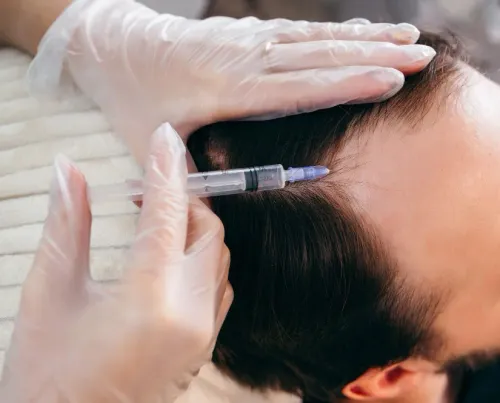
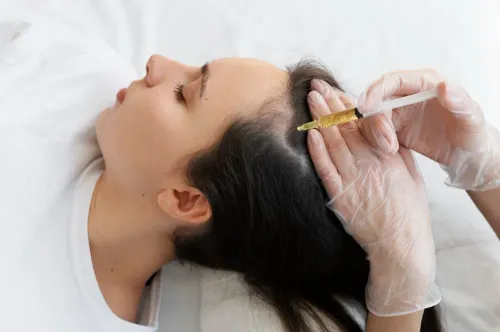
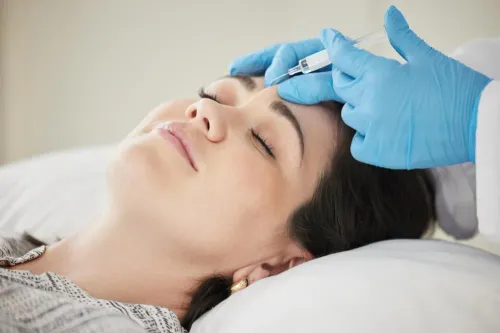
Men with early pattern hair loss may be advised evidence-based medical treatment to slow progression and support existing follicles. PRP therapy may be considered as an additional option in suitable cases.
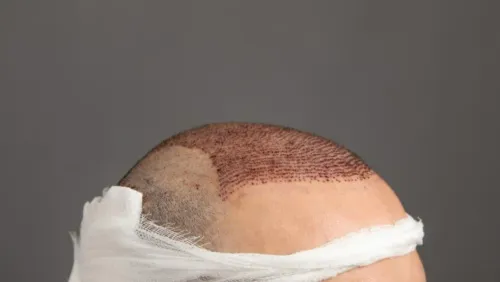
Scalp disease or nutritional deficiencies must be addressed directly rather than relying on cosmetic procedures. Hair transplantation may be evaluated when permanent redistribution of donor follicles is required and the pattern is suitable.
Most hair-loss treatments require consistency and time. Progress should be reviewed through comparable photographs, changes in shedding and clinical assessment rather than checking for daily improvement.
When to Arrange an Assessment
Early evaluation may help preserve follicles that have not yet become severely miniaturised. Sudden, patchy or rapidly progressing hair loss should not be treated with random supplements or salon products without identifying the cause.
Experiencing persistent thinning or a receding hairline? Consult Dr. Karan Mehta at MJF Clinic for personalised hair loss treatment for men in Borivali and guidance on medical, PRP or transplant options.
Keywords